



Discover the BMW reliability rating every US buyer needs.
Did you know that nearly 40% of luxury vehicle owners face unexpected repair costs in the first three years? Investing in a premium German car means expecting top-notch engineering and unmatched performance. But, it’s key to know the BMW reliability rating before you buy.
I think true luxury means having peace of mind. While the thrill of driving is important, lasting reliability makes your car a joy, not a worry. I aim to give you the facts you need to shop with confidence.
Looking into the BMW reliability rating helps you choose wisely. Let’s see how this brand mixes high-end tech with what American drivers need.
Key Takeaways
- Luxury car ownership means thinking about long-term repair costs.
- Research helps avoid sudden repair bills after buying.
- Both performance and reliability are key for a great driving experience.
- Knowing a model’s history helps you make better car choices.
- My guide turns complex data into easy-to-use advice for buyers.
Understanding BMW Reliability Ratings
Understanding a BMW reliability rating is key to making a good choice. These numbers show how well a luxury car will perform over time. Knowing how these scores are made helps me pick models that last.
What Makes a Car Reliable?
Reliability is more than just starting the car. It’s about how often and how serious mechanical problems are. A reliable car means less unexpected downtime and lower repair costs.
When I check BMW reliability, I look at how it holds up daily. Engine life, transmission smoothness, and interior durability are important. Cars that need fewer repairs are more dependable.
Industry Standards for Ratings
Groups use specific ways to figure out BMW ratings. They look at data from many owners to find common problems. This helps me compare different luxury brands fairly.
Experts focus on the cost of owning and repairing a car. These metrics help compare BMW with other brands. Here’s what’s used to score them:
| Metric Category | Description | Impact on Score |
|---|---|---|
| Repair Frequency | Number of unscheduled shop visits | High |
| Repair Cost | Average expense per incident | Medium |
| Severity | Critical vs. minor component failure | High |
| Longevity | Performance after 100,000 miles | Medium |
Sources of Reliability Data
To understand BMW reliability, I look at many sources. Consumer surveys are very helpful, as they show real experiences. They often reveal trends not seen in short test drives.
I also check data from independent shops and warranty claims. These give a technical view of BMW reliability rating. By combining these, I can trust the BMW ratings more.
BMW’s Historical Reliability Overview
Looking at the brand’s past helps us understand its reliability today. The growth of German engineering has shaped BMW’s reliability. From making engines to leading in luxury performance, BMW has come a long way.
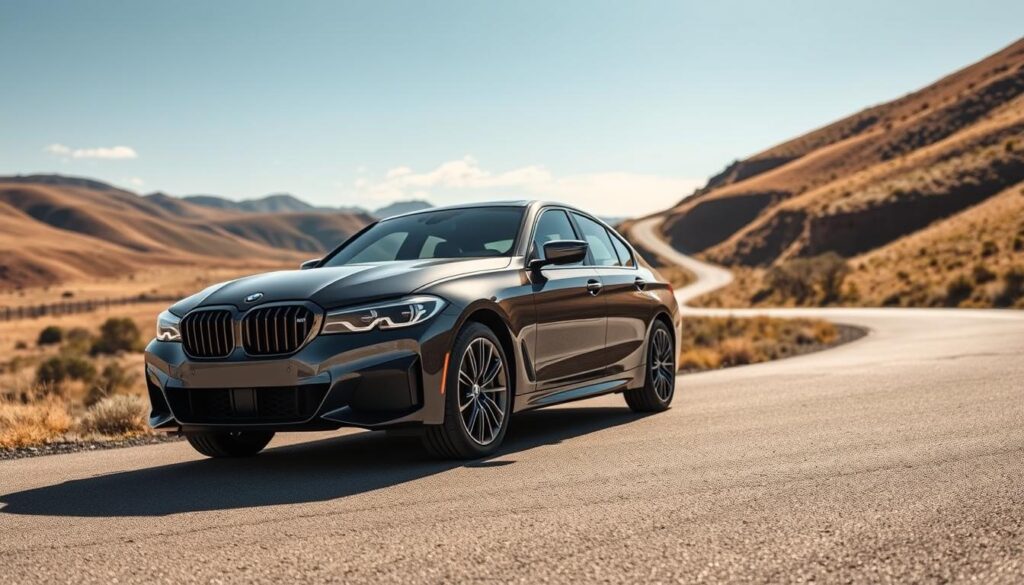
Key Milestones in BMW’s Development
BMW has always aimed for precision engineering. The inline-six engine was a key start. It set the stage for power and balance in BMWs today.
As BMW grew, so did its use of advanced electronics. This made driving better but also added complexity. Knowing this history helps owners understand their car better.
Comparison with Other Brands
BMW stands out among luxury brands. While some focus on simplicity for reliability, BMW explores new tech. This mix of performance and maintenance needs makes BMWs unique.
The table below shows how different brands approach reliability. It highlights BMW’s focus on innovation.
| Brand Category | Primary Focus | Reliability Philosophy |
|---|---|---|
| Japanese Luxury | Longevity | Conservative Engineering |
| German Performance | Innovation | Advanced Technology |
| Domestic Luxury | Comfort | Feature Integration |
The BMW reliability ranking is often misunderstood. It’s compared to brands with different goals. By seeing BMW’s history, we understand why it’s a favorite in the US. BMW’s focus on driving dynamics keeps it at the top.
Recent BMW Models and Their Ratings
When looking for a luxury car, knowing the BMW reliability score is key. I’ve reviewed the latest data to see how BMWs compare to others. This helps us understand which models are the most reliable.

Analysis of the Latest Models
My BMW reliability analysis shows BMW has improved a lot. They’ve worked hard to fix common problems from older cars. The newest models are known for being reliable and powerful.
The BMW reliability ranking is getting better. The newest cars have better electrical systems. This means fewer trips to the mechanic for repairs.
Ratings for Popular BMW Series
The 3 Series and X5 are top picks for many. They set the standard for BMW. Here’s how they’ve done in recent BMW ratings:
| Model Series | Reliability Trend | Key Strength |
|---|---|---|
| 3 Series | Improving | Engine Longevity |
| X5 | Stable | Build Quality |
| 5 Series | Consistent | Tech Integration |
Thinking about buying a BMW? Remember these points:
- 3 Series: Great mix of sportiness and reliability.
- X5: Leads in SUVs with high BMW reliability ranking.
- General Trends: Newer models have a higher BMW reliability score than older ones.
My BMW reliability analysis shows the latest models are great for everyday use. Knowing about these BMW ratings helps you choose wisely. This way, you can enjoy your car for many years.
Factors Influencing BMW Reliability
The secret to a vehicle’s lifespan often lies in its design. Precision engineering is key to BMW’s identity. This focus on performance affects how the car ages.

Engineering and Design Considerations
BMW focuses on high-output engines and lightweight materials for a dynamic drive. These choices require meticulous maintenance to last long. Each part is made to work at its best, with no room for neglect.
These complex systems need strict service intervals. BMW car reliability is about high-performance parts and regular care. Neglecting small issues can cause big problems later.
“Quality is never an accident; it is always the result of high intention, sincere effort, intelligent direction and skillful execution.”
Impact of Technology and Features
Modern luxury cars are like computers on wheels. This tech adds complexity to BMW vehicle reliability. While it improves safety and comfort, it also increases the risk of failure.
The latest tech comes with a more sensitive electrical system. This complexity is a key part of the modern driving experience. Knowing this is important for any owner wanting to get the most from their car.
| Feature Category | Performance Impact | Maintenance Complexity |
|---|---|---|
| Engine Components | High | High |
| Infotainment Systems | Moderate | Low to Moderate |
| Electrical Architecture | High | High |
The perception of BMW car reliability depends on managing these advanced systems. Balancing tech features with regular maintenance keeps your BMW vehicle reliability high over time.
Common Issues Reported by BMW Owners
When doing a BMW reliability analysis, it’s key to look at common problems. Long-term owners share their experiences. This helps future buyers know what to expect.
Typical Mechanical Problems
Many owners say cooling system parts need fixing as cars get older. Parts like water pumps and thermostat housings can crack. Replacing them early can stop breakdowns.
Oil leaks are another common issue. They usually come from old gaskets. Fixing these leaks early keeps your car reliable.
- Cooling system component fatigue
- Oil gasket degradation
- Suspension bushing wear
- Turbocharger wastegate adjustments
Electrical System Concerns
Modern cars have lots of tech, which can cause problems. Issues like screen flickers or lost connections are common. But, updates can fix these.
Sensors can also go wrong, affecting parking or lights. New tools help find and fix these problems fast. This saves time and money.
Getting a pre-purchase inspection is your best protection. It’s true for new or used cars. Knowing about these issues lets you drive with confidence.
Maintenance and Care for BMW Vehicles
Keeping your BMW in top shape is all about sticking to a service schedule. Following the manufacturer’s guidelines helps protect your car’s complex engineering. Regular visits to the mechanic are key to keeping your BMW vehicle reliability high.

Recommended Maintenance Schedule
Your car’s engine and parts need regular oil changes, fluid flushes, and filter swaps. Skipping these can lead to early wear or expensive repairs. Professional servicing is the best way to keep your car running well.
“An ounce of prevention is worth a pound of cure.”
Choosing certified technicians ensures your car gets the best care. This careful approach is vital for keeping your BMW vehicle reliability high over time.
DIY Tips for BMW Owners
If you like tinkering with your car, there are easy tasks you can do. These simple steps help you keep an eye on your car’s health between visits to the mechanic:
- Check your engine oil levels regularly to ensure proper lubrication.
- Inspect and replace your cabin air filter to maintain clean interior airflow.
- Monitor your tire pressure to improve fuel efficiency and handling.
- Keep your windshield washer fluid topped off for better visibility.
While these tasks are easy for most owners, remember that some systems need expert tools. A mix of DIY and professional checks is the best way to ensure BMW vehicle reliability for years.
Warranty and Coverage Insights
Understanding car coverage is key for any car owner. It helps you enjoy driving without worrying about repair costs. Knowing what’s covered lets you plan for your car’s future.

Understanding BMW’s Warranty Policies
Every new BMW has a detailed factory warranty. This warranty lasts for four years or 50,000 miles, whichever comes first. It protects against defects in materials or workmanship. It is vital to remember that it covers most major parts during the first years.
But, it doesn’t cover routine maintenance like brake pads or tires. Always check your agreement to know what’s included. A BMW reliability analysis shows these warranties give peace of mind when the car is most reliable.
Benefits of Extended Warranties
When the standard warranty ends, extended warranties can be a good choice. They help keep your finances safe if you plan to keep your car long-term. They offer a safety net against expensive repairs as the car gets older.
When thinking about an extended warranty, compare its cost to the cost of repairs. Not everyone needs it, but it’s wise for those who want to budget better. A good extended warranty goes hand in hand with a BMW reliability analysis to keep costs low and clear.
Customer Reviews and Experiences
Real-world owner feedback gives a true look at how a car performs. It goes beyond what stats say. Looking at BMW reliability reviews is key for anyone thinking of buying a BMW in the United States.

Positive Feedback from Owners
Many owners love their cars for more than just how they drive. They talk about the car’s precision and the quality inside. They say the fun of driving is worth any extra maintenance costs.
This positive view helps the brand’s reputation. Forums show many are happy with the performance and engineering of new BMWs. Long-term owners say the brand has improved a lot, keeping its BMW reliability ranking high.
Areas of Concern from Users
But, there are also common complaints. Owners worry about the rising cost of maintenance after the warranty ends. They say parts and labor can get very expensive as the car gets older.
Some also find the car’s electronic systems and sensors tricky. These issues can be annoying and time-consuming to fix. Knowing these problems can help you plan for owning a BMW.
By considering both the good and the bad, you can make a better choice. Knowing the BMW reliability ranking helps you prepare for the future.
Expert Opinions on BMW Reliability
To get a full picture of the brand, I looked at what industry experts and big testing groups say. Personal stories are good, but expert opinions give us a standardized view that’s key for serious buyers. They show the fine line between high performance and keeping the car running long-term.
Insights from Automotive Experts
Many car writers and engineers say BMW reliability depends on the car’s tech. They say BMWs drive great, but their many electronic parts mean more trips to the shop. Reviews often say the engines last long, but warn about the cost of keeping up with tech.
Experts talk about “mechanical reliability” and “feature-related issues.” They say BMW’s engines and transmissions are solid, but the extra systems need regular checks. This helps explain why BMW fans love the brand for its speed.
Data from Consumer Reports
Looking at the BMW reliability score from Consumer Reports, I see a trend of getting better. These reports use huge amounts of data from owner surveys, which helps remove bias. They show BMW has fixed old problems with cooling and electrical systems.
The table below shows how expert opinions and what people think often match or don’t match on BMW’s performance:
| Evaluation Metric | Expert Assessment | Consumer Sentiment |
|---|---|---|
| Engine Longevity | High | High |
| Electronic Systems | Moderate | Mixed |
| Maintenance Costs | Above Average | High |
| Overall BMW reliability | Improving | Improving |
In the end, the BMW reliability score shows a brand that loves to innovate. By checking these BMW reliability reviews, I see BMW is doing well. It’s a top pick for those who want the latest tech and a smooth ride.
Conclusion: Is BMW Worth the Investment?
Choosing a luxury vehicle is about finding the right mix of performance and practicality. Looking at the BMW reliability rating helps you make a smart choice in the premium car market.
Synthesizing Performance Data
My review of BMW ratings shows a brand always improving. While all cars wear out, BMW’s focus on engineering means your drive is smooth and modern.
Empowering Your Purchase
Think about your driving habits and budget for maintenance. Reading BMW reliability reviews can help you guess what service you might need. This way, you can pick a model that suits your lifestyle and meets BMW’s high standards.
FAQ
What is the current BMW reliability rating for most new models?
BMW’s reliability rating has improved a lot. Models like the BMW 3 Series are now at the top of luxury rankings. They score high in dependability, often beating the average.
How does the BMW reliability ranking compare to other luxury competitors?
BMW has moved ahead of Mercedes-Benz and Audi in reliability. Consumer Reports shows BMW’s big leap in drivetrain and electronics. This puts BMW in a strong spot in the luxury car market.
Which specific models currently hold the highest BMW reliability score?
The BMW X5 and BMW 5 Series have the best reliability scores. They use well-tested engineering and engines. This leads to fewer mechanical issues than newer models.
What do most BMW reliability reviews say about long-term ownership?
Long-term BMW owners say the car starts off well but needs regular care. Following the service schedule is key. Those who do maintenance well are happier than those who don’t.
Are there specific BMW car reliability concerns I should know before buying?
BMWs are reliable overall, but their tech can be tricky. Issues with iDrive and driver-assistance systems are common. These are minor but worth knowing.
Is the cost of maintaining BMW reliability higher than other brands?
Repairs for BMWs are less frequent, but parts and labor can be pricey. Yet, the reliability of newer BMWs makes owning one more predictable than before.
Where can I find an objective BMW reliability analysis for a used model?
Check out J.D. Power and Consumer Reports for a detailed BMW reliability analysis. They use real driver data, which is more reliable than just what car fans say.

Hi! I’m Moheen Iftikhar, the creator of «CarPulseMedia» I’m passionate about exploring the latest car trends, automotive technology, and driving tips to help you stay informed and inspired. I share expert guides, car reviews, and practical advice for every auto enthusiast.