



BMW Reliability Over Time: What US Drivers Should Know
Did you know that nearly 40% of luxury car owners in the US face unexpected repair costs in the first five years? This shows how vital it is to know how your car performs as it gets older.
My journey with German engineering started years ago. It taught me that proactive maintenance is key to a long-lasting car. I’ve spent a lot of time studying how BMW reliability over time changes as parts wear out.
It’s important to track these changes, whether you own a BMW now or are thinking about getting one. By keeping an eye on BMW reliability over time, you can make smart choices to protect your investment. Let’s look at how these high-performance cars change and what you can expect from them over time.
Key Takeaways
- Luxury vehicles need a careful approach to routine maintenance to last long.
- Knowing mechanical trends helps owners plan for repair costs before they become big issues.
- Using data helps with financial planning for your car’s whole life.
- German engineering needs special care that’s different from standard domestic models.
- Staying updated on performance changes helps keep your luxury car’s value high.
Introduction to BMW Reliability
Figuring out if a luxury car is reliable over time is tricky. It mixes up data and real-life experiences. People often look at how a car performs first. But, the real test is how well it lasts for years.
Knowing this helps buyers make smart choices about their cars.
My Experience with BMW Vehicles
I’ve spent a lot of time driving different German cars. There is a special feeling when you drive a car that has aged well. It’s more than what you see on a spec sheet.
My experience shows that taking good care of your car is key. It makes for a great driving experience.
These cars need more attention, but they offer a superior driving experience. It’s not just about how fast they go. It’s about how they feel inside and how they handle every day.
How Reliability is Measured
Experts use special ways to check how reliable BMWs are in the US. They look at breakdowns, electrical issues, and how happy owners are. They do this over three to five years.
This helps them see how different models do as they get older.
The table below shows what experts look at to judge a car’s health and how long it lasts:
| Metric Category | Data Source | Focus Area |
|---|---|---|
| Mechanical Integrity | Repair Shop Logs | Engine and Transmission |
| Electrical Stability | Owner Surveys | Infotainment and Sensors |
| Cost of Ownership | Warranty Claims | Maintenance and Parts |
| Overall Satisfaction | Consumer Reports | Long-term Reliability |
The History of BMW Reliability
Looking back, BMW’s shift from basic to advanced engineering is amazing. The BMW maintenance history shows a move from simple to complex systems. This change has greatly influenced how we view owning a BMW.

Early Models and Their Reputation
In the mid-20th century, BMW was known for its simple, strong designs. These cars focused on pure driving dynamics and easy fixes. Many fans love these models for their lack of modern electronics.
The BMW reliability track record was built on durable inline-six engines. These cars were easy to repair, thanks to their mechanical systems. This trust in longevity over tech was key for the brand.
Evolution Over the Decades
Over time, BMW moved to more advanced electronics for better performance and safety. This change brought new challenges for BMW maintenance history. Today’s cars need special tools for repairs.
Now, BMWs use complex computer systems for everything. This has made BMW reliability track record more complex, with software updates and glitches playing a big role. Seeing how BMW has overcome these challenges shows its dedication to excellence.
| Era | Primary Focus | Maintenance Complexity |
|---|---|---|
| 1960s – 1980s | Mechanical Simplicity | Low |
| 1990s – 2000s | Electronic Integration | Moderate |
| 2010s – Present | Digital Architecture | High |
Factors Influencing BMW Reliability
The secret to a long-lasting vehicle is in design and daily care. BMW performance longevity is not by chance. It comes from years of improving high-stress parts for precise driving.
Design and Engineering
The core idea is to balance power with cooling. Advanced cooling systems are key to keeping the engine smooth under heavy loads. They prevent heat damage to internal parts during fast driving.
Engineers aim for a dynamic driving experience by using parts that handle stress well. This keeps the car responsive as it gets older. It’s this focus on high performance that makes the brand stand out.
Quality of Materials
The industry now uses lightweight materials for better efficiency and handling. BMW quality over years has kept up by using advanced composites and alloys. These materials help reduce weight without losing strength.
This change in materials makes the car more agile and durable. By choosing top-notch materials, the manufacturer ensures the car’s interior and mechanics last longer. Consistency in material selection is a key part of their production.
Maintenance Practices
Even the most advanced engineering needs regular care. I believe that sticking to the factory’s maintenance schedule is the single most important factor in avoiding early wear. Skipping oil changes or ignoring warning lights can lead to expensive fixes.
By following the recommended service schedule, you protect the engine and transmission. Treating your car with the care it needs is an investment in its long-term reliability. Regular maintenance is the key to keeping your car running well for years.
Common BMW Models and Their Reliability Ratings
Not all luxury cars are the same. My study of popular BMW models shows clear patterns in their performance. It’s important to know how models perform over time to ensure BMW service reliability.
BMW 3 Series: A Closer Look
The 3 Series is a top choice for BMW, blending sportiness with everyday use. These cars are usually reliable if owners follow the maintenance schedule. Consistent care helps avoid big repair costs.
As the 3 Series gets older, issues like cooling system parts and oil seals might arise. Regular BMW service reliability checks can help prevent these problems. Many fans say the 3 Series is great for its performance and upkeep costs.

BMW X5: Strong Performance, Mixed Reviews
The X5 is a top SUV, known for its power and driving feel. But, its complex tech can lead to mixed opinions on maintenance. The BMW service reliability for the X5 is often more challenging than for sedans.
I’ve seen that the X5 needs careful checks on its suspension and electronics. While it drives amazingly, buyers should plan for extra maintenance costs. Here’s a look at how these models compare in maintenance needs.
| Model | Primary Strength | Common Maintenance Focus |
|---|---|---|
| BMW 3 Series | Handling and Efficiency | Cooling and Gaskets |
| BMW X5 | Utility and Comfort | Electronics and Suspension |
| Service Reliability | High (with care) | Moderate (requires diligence) |
Choosing between these models depends on your lifestyle and maintenance budget. Both offer a luxury experience but need different care to stay in top shape.
Real-World BMW Reliability Data
The real story of a car often lies in the gap between engineering specs and daily driving. Lab tests give a baseline, but real-world performance on American highways paints a clearer picture. By looking at various data sources, I can understand the BMW durability reputation better.
Consumer Reports and Owner Surveys
Consumer reporting agencies use big surveys to see how cars last over years. These reports show that while some models have early tech issues, their mechanical parts are strong. Consistent maintenance is key to keeping owners happy.
Surveys show that BMW long-term dependability depends on the model year and engine. Owners who stick to service schedules have fewer problems. This highlights the need for regular care to keep the car’s value up.
What Mechanic Feedback Says
Independent mechanics offer a different view from surveys. They say these cars have high-performance parts that need specialized attention. When serviced right, these cars last a long time.
Experts say the BMW durability reputation is often misunderstood. They believe the BMW long-term dependability is high if owners invest in quality parts and labor. Mechanics agree that these cars do well with regular maintenance, not just fixes.
The Role of Maintenance in BMW Longevity
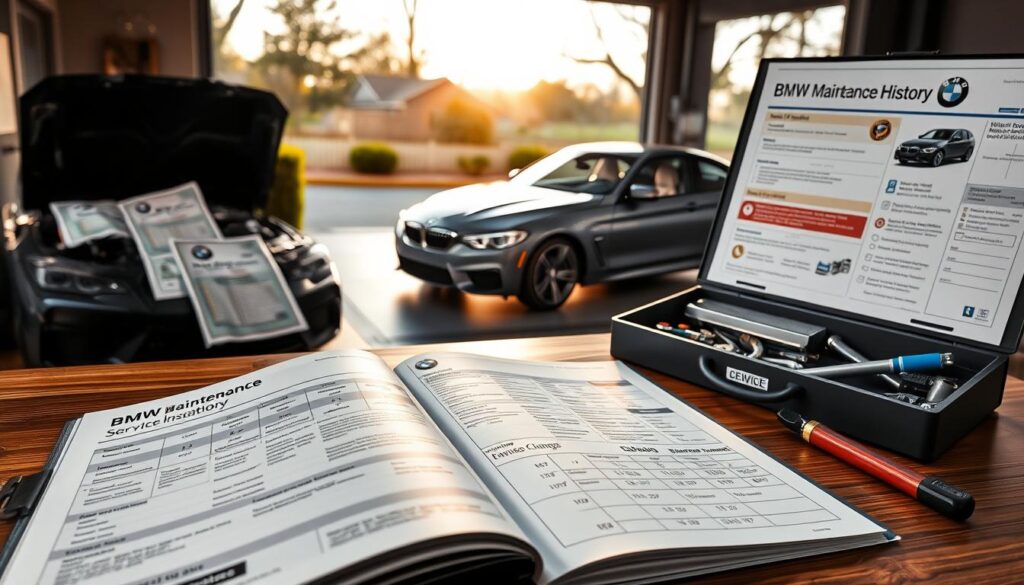
A detailed BMW maintenance history is key to your car’s longevity. I always check service records first when evaluating a luxury vehicle. These records show how well the car has been cared for.
Importance of Scheduled Services
Following the manufacturer’s service schedule is essential. It prevents early wear and tear. Pay special attention to the cooling system and oil changes.
The cooling system is efficient but needs regular checks. Ignoring service intervals can lead to engine failure. A clean BMW maintenance history ensures timely replacements of critical parts.
- Oil Changes: Use high-quality synthetic oil for engine lubrication.
- Cooling System: Regularly inspect hoses and the water pump to avoid overheating.
- Brake Fluid: Flush the system every two years for best stopping power.
DIY Maintenance Tips
You don’t need to be a mechanic to maintain your car. I perform basic checks to catch issues early. These simple steps help you control your car’s reliability.
Check fluid levels monthly, including coolant, brake fluid, and windshield washer fluid. Also, inspect tires for uneven wear, which can mean alignment issues. Regular maintenance through these steps saves money and stress over time.
Innovations Impacting BMW Reliability
Today’s cars are packed with the latest tech, changing what we expect from BMW performance longevity. These new features bring amazing power but also new maintenance challenges.

Advances in Engine Technology
Recently, we’ve seen big changes in car engines. Mild-hybrid systems and advanced turbocharging are now common. They boost power and efficiency but make engines more complex.
These systems are very efficient but need careful maintenance to last. With more parts, there’s a higher risk of wear and tear. This is key for anyone wanting BMW performance longevity.
Improvements in Safety Features
Modern safety features have changed driving for the better. But they also put more strain on a car’s electrical system. Features like sensors, cameras, and autonomous driving need a lot of wiring and control modules.
These systems are vital for safety but also affect a car’s reliability as it gets older. To keep your car in top shape, focus on these innovations:
- Mild-Hybrid Integration: Boosts fuel economy but adds complexity to the electrical grid.
- Advanced Turbocharging: Offers high power but needs regular oil changes.
- Digital Safety Suites: Depends on software stability and sensor health.
To ensure long-term BMW performance longevity, you need to be proactive. Knowing how these technologies work helps you manage your car’s maintenance as it ages.
Cost of Ownership and Reliability
When I think about the cost of a premium car, I look at more than just the price tag. The BMW quality over years is key to understanding ongoing expenses. It’s important for any owner to know this to keep their car in top shape.

Comparing BMW to Other Luxury Brands
I compare my car’s maintenance costs with other luxury brands. Some may have cheaper initial service, but long-term engineering integrity often affects the final cost. Regular care helps manage these costs well.
Premium brands need special parts and labor, which can be expensive. But, the BMW quality over years means fewer major repairs. Preventative maintenance saves money compared to waiting for a big problem.
Resale Value and Depreciation
Depreciation is a big hidden cost for car owners. Cars known for reliability hold their value better. Keeping service records is the best way to protect your investment when selling.
The BMW quality over years affects how the market sees these cars as they get older. A well-kept car with a good history sells for more. By focusing on reliability, I keep my investment balanced over the car’s life.
Driving Conditions and Their Impact
Many owners don’t think about how their daily drive affects their BMW durability reputation. Even though BMWs are built to last, the environment you drive in matters. I’ve learned to adjust my expectations based on where I drive.
Urban vs. Rural Driving
Driving in cities is tough on your car. The constant stops and starts mean your engine doesn’t get to run smoothly. This can cause more carbon buildup and stress on the brakes.
On the other hand, driving on highways is easier. But, it can wear out your car in different ways, like making your suspension tired. City drivers should change their oil more often because of all the idling.
Climate Considerations
The weather where you live affects your car’s age. Hot places like Arizona or Texas can make rubber parts and batteries wear out faster. I check the cooling system more often in these areas to avoid problems.
In cold places, salt and water can damage your car’s underside. Keeping your car clean and using protective coatings helps. By adjusting your car’s maintenance to your climate, it stays reliable no matter the weather.
What to Expect as a BMW Owner
Going from a new car buyer to a long-term owner means facing the reality of your car aging. The first years are often covered by factory programs. But, once those expire, things change. Keeping your BMW service reliable means changing how you handle your car’s health and budget.
Evolving Maintenance Costs Over Time
After the factory warranty ends, you’ll see more money going to routine services. Parts like cooling systems and suspension bushings might need work. Proactive planning helps manage these costs without hurting your driving experience.
It’s smart to save money for unexpected repairs as your car gets older. Staying on top of maintenance can stop small problems from becoming big expenses. This careful planning is key to keeping your BMW service reliable for years.
The table below shows how maintenance needs change as your car ages:
| Vehicle Age | Primary Focus | Cost Expectation |
|---|---|---|
| 0-4 Years | Scheduled Oil/Filters | Low (Warranty Covered) |
| 5-8 Years | Wear Items/Suspension | Moderate |
| 9+ Years | Engine Seals/Electronics | High (Proactive) |
Joining BMW Enthuasiast Communities
Being part of a community of enthusiasts is a huge plus. Online forums and local clubs are invaluable resources for solving problems or finding good service shops. They help you understand BMW service reliability better.
The community is often the first to spot common issues in car performance. This lets owners fix problems before they turn into expensive repairs.
I’ve found that independent mechanics who know German cars can be cheaper than dealerships. Using the community’s knowledge helps you feel confident in owning your car. Connecting with others who love BMWs means you’re never alone in keeping your car in top shape.
Conclusion: Is BMW Worth It?
Buying a BMW means you need to think differently about car care. The joy of driving these cars is worth the effort to keep them running well.
Reflecting on Long-Term Dependability
BMW’s reliability over time depends on sticking to the service schedule. By doing so, you get a better driving experience. This brand is great for owners who take care of their cars before problems start.
Choosing Your Path Forward
Consider the performance and the cost of owning a luxury car. Look at your budget and how you drive before buying. Knowing about BMW’s reliability helps you enjoy the drive with confidence.
FAQ
How has BMW reliability over time evolved for the modern American driver?
BMW reliability has changed over the years. Early models were simple, but now they use advanced electronics. Modern BMWs use sensors and lightweight materials for better performance.
While they are more complex, BMWs remain reliable for those who keep up with maintenance.
Does a consistent BMW maintenance history truly impact the vehicle’s lifespan?
Yes, it does. A BMW’s maintenance history is key to its longevity. Regular oil changes and fluid flushes help it last over 100,000 miles.
Ignoring these services can lead to reliability issues.
What factors most significantly influence BMW performance longevity?
BMW’s performance depends on engineering and owner care. High-precision engines need careful maintenance. Using synthetic oils and coolants protects the engine.
How would you describe the current BMW durability reputation in the United States?
BMW’s durability is improving. Early issues with cooling and electronics are behind us. Newer models, like the B-series engines, have boosted the brand’s reputation.
Consumer Reports often ranks BMWs high, showing their reliability.
Why is it important to track the BMW reliability track record of specific models before buying?
Each BMW model has its own story. Knowing the reliability history helps choose the right model. For example, the 3 Series has improved over the years.
What can I do to ensure the best BMW service reliability during my ownership?
Find a certified BMW technician for the best service. Regular inspections, not just oil changes, are important. This keeps your BMW running smoothly.
Is BMW long-term dependability comparable to other luxury brands?
BMW stands out for its reliability. It’s known for its driver-focused engineering. While other brands may be easier to maintain, BMW offers a unique driving experience.
How do driving conditions in different US regions affect BMW quality over years?
Driving conditions greatly impact BMWs. Extreme heat or heavy traffic can wear out cooling systems faster. In colder areas, watch for corrosion.
Adjusting maintenance based on your location helps keep your BMW in top shape.

Hi! I’m Moheen Iftikhar, the creator of «CarPulseMedia» I’m passionate about exploring the latest car trends, automotive technology, and driving tips to help you stay informed and inspired. I share expert guides, car reviews, and practical advice for every auto enthusiast.