


Tesla Range Comparison: Which Model Goes the Farthest
Did you know that nearly 40% of people considering electric cars worry about charging? Choosing a new car is more than looks; it’s about battery life. I aim to make this easier for you.
When you want to travel far without stopping, a Tesla range comparison is key. I’ll help you pick the best electric car range for your needs.
Efficiency is the heartbeat of modern travel. Next, I’ll dive into the specs and real-world performance of Tesla’s cars. This will help you choose the right car for your life.
Key Takeaways
- Understanding battery efficiency is critical for reducing charging anxiety.
- I analyze the entire fleet to help you find the most efficient model.
- Real-world performance metrics often differ from official estimates.
- Your specific driving habits dictate which vehicle suits you best.
- This guide provides a clear path to selecting your next electric vehicle.
Overview of Tesla’s Electric Vehicle Lineup
My journey with Tesla starts with their early days and the big changes they made. They began as a bold idea, showing electric cars could be cool and useful. Now, they lead the way in green cars, setting high standards for how cars should be.
Looking at a Tesla range chart helps me see how much they’ve grown. It shows their quick progress in engineering over the years.
Brief History of Tesla
Tesla started in 2003 with a dream to make the world greener. Their first hit was the Roadster, a fast sports car that proved electric cars could be exciting. This success helped them make more cars for everyone.
Then, they made the Model S, changing the luxury car game. By using the same design for different cars, they became a big player. This made their cars cheaper and more available.
Key Innovations in Range Technology
Tesla’s success comes from their drive to make cars go further on less energy. They’ve improved battery tech, making cars more efficient without adding bulk. This is thanks to new battery materials.
“Innovation distinguishes between a leader and a follower.”
Tesla also leads in energy management software. Their tech keeps an eye on how energy is used, making every bit count. Looking at a Tesla range chart, you see how these updates have helped cars go farther.
The table below shows how Tesla’s range tech has evolved:
| Vehicle Model | Generation | Primary Innovation | Range Focus |
|---|---|---|---|
| Original Roadster | Gen 1 | Lithium-ion integration | Performance |
| Model S (Early) | Gen 2 | Energy density | Long-distance |
| Model 3/Y | Gen 3 | Thermal management | Efficiency |
| Cybertruck | Gen 4 | Structural battery | Utility |
Understanding Electric Vehicle Range
Range is often misunderstood when it comes to electric cars. It’s the distance a car can go on one charge before needing to recharge. Car makers use tests like the EPA cycle to guess how far you can go.
These tests mix city and highway driving to set a standardized benchmark. But, these estimates might not match your driving. Remember, these numbers are guesses, not promises.

What is EV Range?
Range is how far a car can go based on its battery size and how much energy it uses. Looking back at 2021, electric cars have gotten much better. Efficiency is key for engineers to make cars go further on less charge.
Today’s cars use smart software to use power better. This means you can drive longer without worrying. Knowing about range helps you choose the right car.
Factors Affecting EV Range
Many things affect how far you can drive. Regenerative braking helps by capturing energy when you slow down. But, driving fast or in extreme weather can use up your battery quickly.
The table below shows how different things change your driving distance:
| Variable | Impact on Range | Primary Driver |
|---|---|---|
| Driving Speed | High Negative | Aerodynamic Drag |
| Climate Control | Moderate Negative | Cabin Heating/Cooling |
| Regenerative Braking | Positive | Energy Recovery |
| Tire Pressure | Minor Negative | Rolling Resistance |
Knowing these factors helps you use less energy on your daily drives. Whether you’re looking at today’s electric cars or last year’s models, the goal is the same. Consistency in driving style is key for better battery health and range.
Tesla Model S Long Range
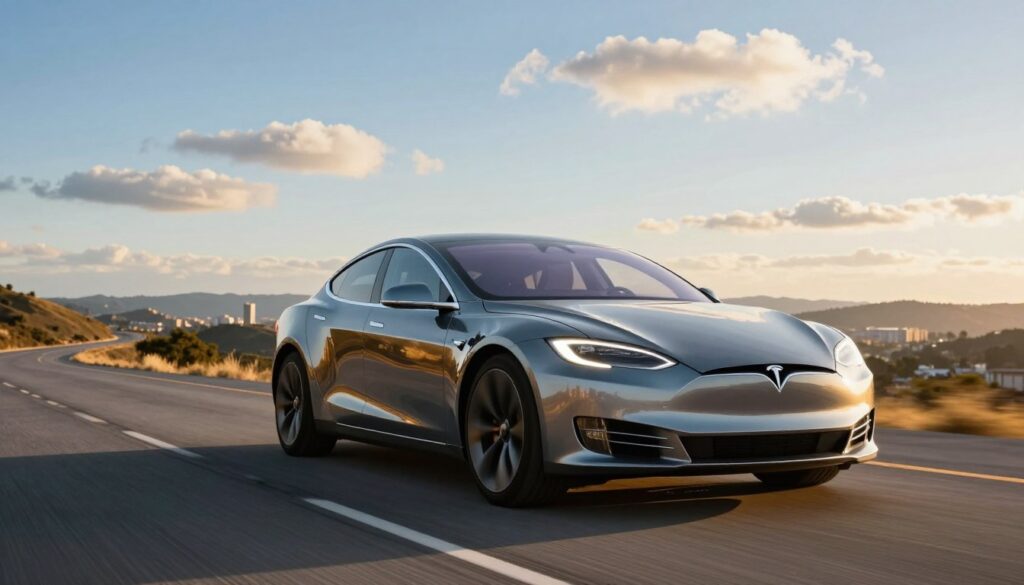
The Tesla Model S stands out as a top electric vehicle. It’s a luxury car that also leads in battery efficiency. It shows what a top electric car can do on the road.
Key Features of Model S
The Model S has a top-notch aerodynamic design and advanced tech. It has a dual-motor system for power and saving energy. Efficiency is in every part of its design, making it cut through air easily.
The inside is simple yet packed with tech. The yoke steering wheel and big screen make driving feel like the future. These features make long trips comfortable and efficient.
Official EPA Range Estimates
The EPA says the Model S can go over 400 miles on one charge. These numbers are for standard tests. But, remember, real-life driving can vary.
It’s key to know the difference between Tesla long range vs standard range. Standard models are great value, but long-range ones have better batteries. This is why they go further.
Real-World Driving Experience
In my Tesla range test, I saw how real driving changes things. The EPA numbers are good for perfect conditions. But, driving fast or in cold weather can cut down the range. Staying steady helps get the most out of it.
When looking at the Tesla Model 3 vs Model S range, remember their goals. The Model 3 aims for everyday efficiency. The Model S is for luxury and long trips. Your choice depends on what you want most.
Tesla Model 3 Comparison
The Tesla Model 3 is a top choice in the entry-level sedan market. It’s a great starting point for electric cars without losing the brand’s advanced tech.

Model 3 Range Variants
The Model 3 comes in different versions to fit various needs. It’s important to know the Tesla long range vs standard range options. This helps you choose based on how far you drive or your budget.
The base model is all about making electric cars more accessible. The high-performance versions focus on speed and longer trips. The battery size you pick greatly affects your driving experience and daily use.
EPA Ratings for Each Variant
The table below shows the EPA ranges for the Model 3 lineup. These estimates help you know what to expect when driving under normal conditions.
| Model Variant | Estimated EPA Range | Primary Focus |
|---|---|---|
| Standard Range RWD | 272 miles | Efficiency |
| Long Range AWD | 341 miles | Distance |
| Performance AWD | 303 miles | Speed |
User Experiences and Reviews
Many owners say the Model 3 performs as promised, under good weather. When comparing the Tesla Model 3 vs Model S range, users like the Model 3 for city driving. The Model S is better for long trips.
Choosing between the Model 3 and Model S depends on your driving habits. For long trips, the long-range Model 3 is a big plus. For daily driving, the standard model is enough.
Tesla Model X Range Analysis
Many drivers wonder if the Model X can truly compete for the title of the best electric car range given its substantial frame. As a large SUV, this vehicle prioritizes passenger comfort and cargo capacity. This creates a unique set of engineering challenges. Understanding this model requires looking beyond the spec sheet to see how it handles real-world roads.
Overview of Model X Features
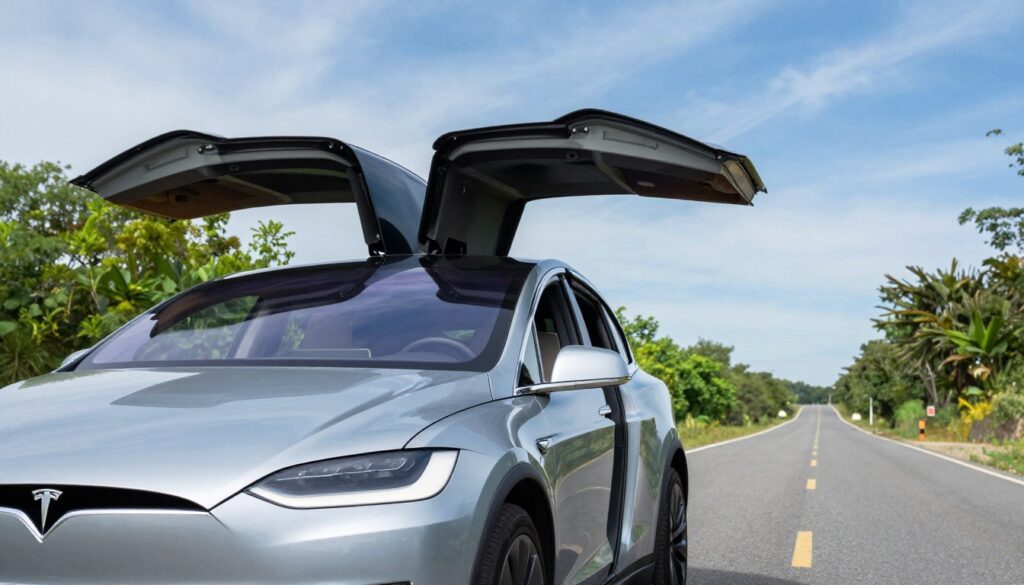
The Model X is designed for those who need space without sacrificing the thrill of electric performance. Its signature falcon-wing doors and expansive windshield are not just for show. They represent a bold approach to utility. But these features add weight and complexity to the vehicle’s aerodynamic profile.
To maintain efficiency, Tesla utilizes advanced thermal management and active aerodynamics. Despite its size, the vehicle remains remarkably slippery in the wind. Here are the core features that define its capability:
- All-Wheel Drive: Dual-motor configurations provide consistent power distribution.
- Active Aerodynamics: The vehicle adjusts its ride height to reduce drag at highway speeds.
- Advanced Battery Chemistry: High-density cells allow for impressive energy storage in a large chassis.
EPA Range vs. Real-World Performance
When I examine the Tesla range per charge, I notice a distinct difference between official EPA estimates and my own highway experiences. EPA testing is standardized, but it often fails to account for the high-speed wind resistance that a large SUV faces on the open road. Factors like tire pressure, climate control usage, and driving style play a massive role in the final numbers.
“The true measure of an electric vehicle is not just the laboratory test, but how it performs when you are miles away from the nearest charger on a windy day.”
I have compiled a comparison of how different variables impact the Tesla range per charge during typical travel scenarios. While the Model X is highly efficient for its class, it is important to manage expectations regarding long-distance trips.
| Driving Condition | Efficiency Impact | Range Expectation |
|---|---|---|
| City Driving | High | Excellent |
| Highway (75+ mph) | Moderate | Reduced |
| Cold Weather | Significant | Lowered |
Ultimately, while it may not hold the crown for the absolute best electric car range compared to smaller sedans, the Model X offers a superior balance of utility. I believe that for families needing space, the trade-off in total distance is a fair price to pay for such a versatile machine.
Tesla Model Y Range and Capacity
The Model Y is a standout in the electric vehicle market, perfect for those needing more space. It appeals to families who want performance and distance without compromise. It’s a key reference for anyone looking at electric vehicle range comparison for the best mix of utility and efficiency.
Comparison with Other Models
Looking at a Tesla range chart helps me see how the Model Y compares to its siblings. The Model 3 is all about aerodynamics, and the Model X is for luxury. But the Model Y is just right, with enough height and cargo space for American drivers.
| Model | Estimated Range | Primary Use |
|---|---|---|
| Model 3 | 341 miles | Efficiency |
| Model Y | 330 miles | Versatility |
| Model X | 335 miles | Luxury/Space |
Real-World Range Tests
While EPA ratings are useful, a real-world Tesla range test gives a clearer view of daily use. The Model Y holds up well, even at high speeds and in changing traffic. Drivers say it meets their needs, as long as they charge it right.
Several things help the Model Y perform well in a Tesla range test:
- Regenerative braking is efficient in city traffic.
- Advanced thermal management keeps the battery healthy.
- Its design cuts down on drag at high speeds.
In the end, the Model Y shows you can have a big car without losing range. It’s a great choice for those who want to go far in a modern, roomy car.
The Impact of Driving Conditions on Range
When I check my Tesla range per charge, I see how outside factors matter as much as the battery. The EPA gives a starting point, but real-world driving changes it. Knowing these factors helps me plan better.

Effects of Weather on Electric Range
Extreme weather affects how well the battery works. In cold, the battery uses energy to stay warm, cutting down on driving power. In hot weather, the air conditioning uses more power, adding to the load on the electrical system.
New thermal management systems help a lot. An electric car range comparison 2021 shows newer cars handle temperature changes better. I find that warming up the car while it’s plugged in saves battery in cold mornings.
Terrain and Its Influence
The terrain I drive on affects how fast I use energy. Going up steep hills makes the motor work harder, using more battery. But going down, I get some energy back through regenerative braking.
Driving fast on highways also uses more energy. At high speeds, wind resistance increases, making the car work harder to keep moving. Here’s how different conditions affect my range:
| Condition | Impact on Range | Primary Cause |
|---|---|---|
| Extreme Cold | High Reduction | Battery Heating |
| Mountainous Terrain | Moderate Reduction | Elevation Gain |
| High-Speed Highway | Moderate Reduction | Aerodynamic Drag |
Understanding these factors helps me plan better for long trips. Remember:
- Pre-conditioning your vehicle while plugged in saves battery life.
- Maintaining a steady speed on highways improves overall efficiency.
- Using regenerative braking effectively helps recover energy on downhill stretches.
Future Developments in Tesla EV Range
Battery innovation is changing cars fast. The move to sustainable energy is speeding up. I think the next years will change driving for everyone.
Engineers are making new battery packs that fit into the car’s frame. This makes cars lighter and more powerful. It’s key for the best electric car range today.
Upcoming Models and Their Expected Ranges
New battery types are leading these changes. High-nickel and silicon-anode materials pack more power in less space.
I expect new cars to be even more efficient. This will mean longer trips without needing to stop as often. The Tesla range per charge will likely go up a lot.
| Technology Focus | Expected Benefit | Impact on Range |
|---|---|---|
| Structural Packs | Weight Reduction | High Increase |
| Silicon Anodes | Energy Density | Moderate Increase |
| Software Optimization | Power Management | Consistent Gains |
Tesla’s Goals for Range Improvements
Tesla has big plans for the future. They keep improving their cars through software and hardware updates. This is why they lead the electric car world.
They want to offer the best electric car range without making it too expensive. They’re working on better thermal management and aerodynamics. This way, every bit of energy counts.
I’m sure these updates will change how we travel long distances. The future of driving is electric, efficient, and getting better all the time.
Conclusion: Choosing the Right Tesla for Maximum Range
Choosing the right car means looking at how you drive every day. Battery size is key for any Tesla range comparison. Think about your daily drive and the charging spots near you.
Key Takeaways for Buyers
The best electric car comparison looks at how it works in real life, not just on paper. The Model S is great for long trips, while the Model 3 is perfect for city driving. Think about what you need for carrying stuff and how many people you want to seat, along with how far you’ll go.
Personalizing Your Selection
My own experience shows that the best car fits your budget and needs. Visit a Tesla showroom to feel the car and see how it drives. This way, you know you’re making a good choice for your future travels. With this advice, picking the right car for you is easier than ever.
FAQ
Which vehicle currently leads the Tesla range comparison for 2024?
The Tesla Model S Long Range is at the top. It has an EPA-estimated distance of 405 miles. This makes it the best electric car range in the fleet.
Looking at a Tesla range chart, the Model S beats its siblings in distance.
How significant is the difference in a Tesla Model 3 vs Model S range comparison?
The difference is big, depending on your needs. The Tesla Model S can go over 400 miles. The Tesla Model 3 Long Range goes about 341 miles after updates.
The Model S goes further, but the Model 3 is more efficient for its price.
What should I consider when choosing between Tesla long range vs standard range models?
Think about how often you drive long distances. Long range models have bigger batteries and AWD. This means more range and better performance in bad weather.
Standard range models are great for city driving. But if you worry about running out of charge, go for Long Range.
How accurate was the electric car range comparison 2021 data compared to modern models?
The 2021 data was a big step, but Tesla has improved a lot. Modern Teslas use energy better in cold weather than before. Even though EPA numbers look the same, they’re actually better.
Does a real-world Tesla range test usually match the EPA estimates?
Real-world tests often vary by 10% to 15% from EPA ratings. Speed, using the HVAC, and weather affect range. Always look at real-world tests, not just lab numbers.
Which SUV performs best in an electric vehicle range comparison?
The Tesla Model Y Long Range is the best for families. It offers 310 to 330 miles at a lower cost. The Model X has a higher range, but the Model Y is more practical for long trips.
What environmental factors have the greatest impact on Tesla range per charge?
Extreme cold is the biggest factor. Lithium-ion batteries need more energy in cold. High-speed driving also increases drag.
Wheel size, like 21-inch Überturbines vs. 18-inch Aeros, affects range too. Check a Tesla range chart to see how.

Hi! I’m Moheen Iftikhar, the creator of «CarPulseMedia» I’m passionate about exploring the latest car trends, automotive technology, and driving tips to help you stay informed and inspired. I share expert guides, car reviews, and practical advice for every auto enthusiast.