



Toyota Performance Specs: What You Need to Know in the US
Did you know over 2.2 million Toyota vehicles were sold in the US last year? This shows why knowing about their technical features is key for drivers.
This guide aims to make complex car data easy to understand. I want to help you make smart choices when buying a car.
Knowing your Toyota performance specs helps you understand how your car drives. I’m here to help you feel sure about your car’s power and fuel efficiency.
Key Takeaways
- Learn to interpret essential engine and handling data for your vehicle.
- Understand how manufacturer metrics impact your daily driving experience.
- Gain clarity on technical terminology used in the American automotive market.
- Discover how to compare different models based on reliable mechanical information.
- Prepare yourself to make smarter choices when shopping for a new car.
Understanding Toyota Performance Specs
Toyota performance specs help us understand how a car will perform in real life. They use a common set of metrics to compare different models. This way, engineers and drivers can easily talk about a car’s abilities.
What Are Performance Specs?
Performance specs are numbers that show a car’s mechanical abilities. They cover engine power, speed, and stopping power. When I look at Toyota performance specs, I see the data that shapes the driving experience.
These numbers come from thorough testing. They let me know what a car can really do. Whether it’s a hybrid’s power or a sedan’s handling, these specs reveal the car’s design.
Importance of Performance Specs in Car Selection
Choosing a car is more than just looks or features. Analyzing Toyota performance specs helps match a car to my driving style. For example, if I need a car for daily driving, I look for fuel efficiency ratings.
The table below shows the main metrics I check to see if a car fits my needs:
| Metric Category | What It Measures | Why It Matters |
|---|---|---|
| Horsepower | Engine Power Output | Determines top speed and passing ability. |
| Torque | Rotational Force | Affects acceleration and towing capacity. |
| Fuel Economy | Efficiency Rating | Impacts long-term ownership costs. |
| Drivetrain | Power Distribution | Influences traction and handling stability. |
By focusing on these areas, I can choose a car that meets my needs. Knowing these details helps ensure my next car is a great fit. These specs are key to a happy car ownership experience.
Key Performance Metrics for Toyota Vehicles
When I pick a Toyota, I look at the numbers that matter. Toyota engine specs tell me how a car will do on different roads. These numbers give me a clear idea before I start the engine.
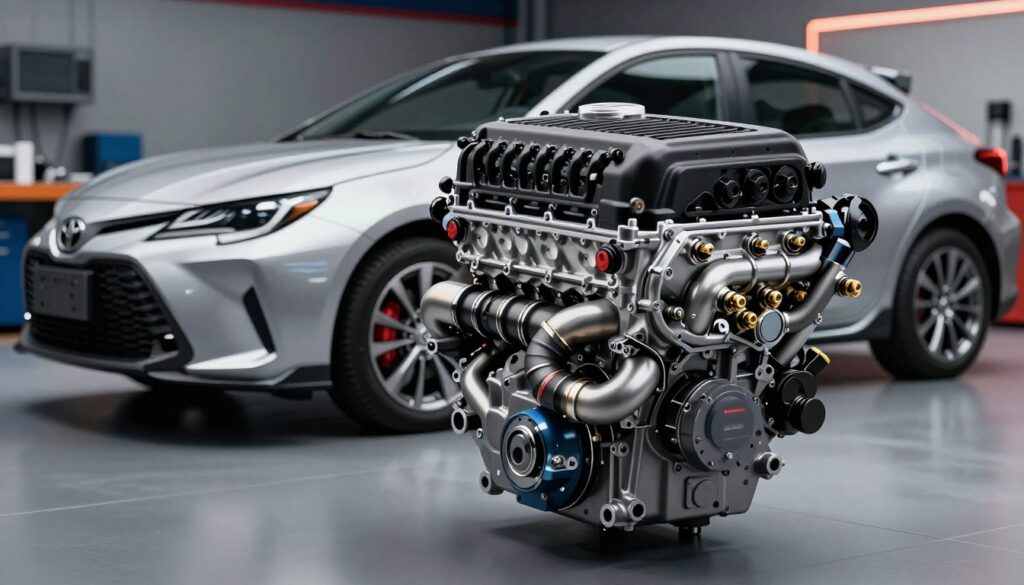
Horsepower and Torque Explained
I check Toyota horsepower figures to see how fast a car can go. Horsepower shows how much work the engine can do over time. It’s key for high-speed travel.
Toyota torque stats show the engine’s pulling power. Torque is what helps when merging or going up steep hills. A high torque makes the car feel quick and responsive.
Acceleration and Speed Specifications
Toyota acceleration numbers tell me how fast a car gets to speed. These numbers are important for safety, like when merging into busy traffic. Quick acceleration helps me feel safe in traffic.
While top speed is not always a priority, it shows a car’s engineering. I prefer consistent acceleration over raw speed. This makes the car fun and predictable to drive.
Fuel Efficiency Ratings
Looking at Toyota fuel efficiency data helps me balance power and cost. Modern cars offer great performance without using too much fuel. I aim for an engine that meets my needs without wasting fuel.
The table below shows how different engines affect performance:
| Engine Type | Horsepower Range | Torque Output | Efficiency Focus |
|---|---|---|---|
| Standard 4-Cylinder | 150-200 hp | Moderate | High Economy |
| V6 Engine | 260-300 hp | High | Balanced Power |
| Hybrid System | 180-250 hp | High (Instant) | Maximum Efficiency |
| Turbocharged | 240-380 hp | Very High | Performance Oriented |
Performance Highlights of Popular Toyota Models
Modern Toyota vehicles impress by balancing tech specs with everyday needs. They show how cars perform on the road, highlighting the engineering behind each drive.
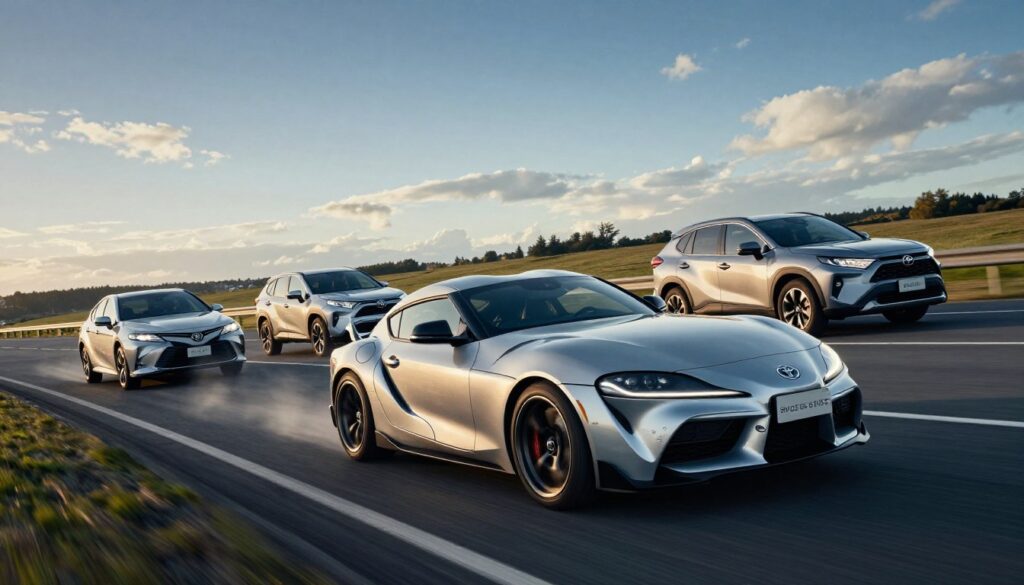
Toyota Camry: Sporty Feel in a Sedan
The Camry has changed a lot, moving from just being useful to being sporty. The Toyota acceleration numbers in V6 trims are really good, making it feel quick. This sedan gives a dynamic driving experience that’s both stable and fun on highways.
Toyota RAV4: Combining Power and Efficiency
The RAV4 is agile on different roads. Its Toyota handling characteristics make it great for corners, even on tough roads. It feels solid and secure, thanks to its suspension.
Toyota Supra: The Performance Icon
The Supra is Toyota’s top choice for driving fun. Looking at the Toyota top speed details, it’s clear it’s made for speed. Its design, from its low center of gravity to precise steering, aims for uncompromising speed.
| Model | Primary Focus | Key Performance Trait |
|---|---|---|
| Camry | Sedan Dynamics | Responsive Acceleration |
| RAV4 | Versatile Utility | Balanced Handling |
| Supra | Sports Performance | High Top Speed |
Toyota Hybrid and Electric Performance Specs
Exploring Toyota’s modern fleet shows a big move towards electric power. They mix electric motors with gasoline engines for a unique drive. This mix offers both power and efficiency.
Hybrid Technology Overview
Toyota’s hybrids use an electric motor to boost the gasoline engine’s power. This instant torque delivery makes the car feel quick and responsive. It also makes the power switch smoothly and keeps performance high.
Looking at Toyota’s latest fuel efficiency data, it’s clear these systems do more than save gas. They use energy wisely to keep the car agile in all driving situations. This makes the car better for daily use.
Electric Vehicle Performance Differences
Electric cars are different from hybrids. Without a gasoline engine, they offer immediate power delivery and a lower center of gravity. This makes them handle better and feel more connected to the road.
Electric cars run on battery power alone. This means they accelerate more quietly and smoothly. It’s a key difference that makes electric cars stand out from gas-only cars.
Environmental Impact of Toyota Hybrids
Hybrids have big environmental benefits beyond just cleaner emissions. Toyota’s advanced battery tech cuts down the fleet’s carbon footprint. Reliable Toyota fuel efficiency data shows sustainable engineering and high performance can go hand in hand.
I think this focus on innovation helps drivers lower their environmental impact without losing power. It’s a win-win for the planet and the driver’s needs. These technologies are shaping the future of car performance in the U.S.
Comparative Analysis of Toyota vs. Competitors
When I compare Toyota to other big car makers, I see different ways of designing cars. Some focus on being fast and sporty, while Toyota aims for long-term reliability and everyday use. This makes their cars great for driving on the highway and light off-roading.
Toyota vs. Honda: A Performance Breakdown
The battle between Toyota and Honda is about driving engagement versus comfort. Honda makes its cars feel more alive with its engines and gear shifts. Toyota, on the other hand, goes for smooth power and steady performance in all its cars.
In mid-size sedans, Honda’s cars have quicker steering. Toyota, though, offers a nicer inside and power that’s easy to use. Both brands aim to please drivers, but in different ways.
Toyota vs. Ford: Performance Across Segments
Looking at Toyota and Ford, we see their strengths in different areas. Ford is known for its strong engines and heavy-duty trucks. They aim for the highest power for those who need it most.
Toyota, though, focuses on mechanical longevity and hybrid tech. While Ford might tow more, Toyota is more reliable and stable. This makes Toyota a top pick for those who want peace of mind over raw power.
| Brand | Primary Focus | Performance Strength | Best Segment |
|---|---|---|---|
| Toyota | Reliability | Balanced Efficiency | Hybrid SUVs |
| Honda | Driving Dynamics | Responsive Handling | Compact Sedans |
| Ford | Raw Power | High Towing Capacity | Full-size Trucks |
How to Interpret Performance Specifications
Understanding a car’s performance needs you to know how power is measured and used. Many buyers just look at marketing claims, not the real data from the maker. By understanding these technical details, you’ll appreciate your car’s performance more.
Reading Horsepower and Torque Ratings
Toyota horsepower figures show how much work a car can do over time. High horsepower means faster top speeds and better acceleration. On the other hand, Toyota torque stats tell you about the rotational force at the wheels. This is key for quick starts and towing.
“Torque is what you feel when you press the pedal, while horsepower is what keeps you moving forward at speed.”
It’s important to check the RPM range for peak torque. A car with high torque at low RPMs will feel more responsive in city driving. This nuanced understanding helps pick a car that fits your driving style.
Understanding Different Drivetrains
The drivetrain affects how power gets to the ground. Front-Wheel Drive (FWD) is common in sedans, great for fuel and space. All-Wheel Drive (AWD) systems send power to all wheels, perfect for bad weather.
| Drivetrain Type | Primary Benefit | Best Use Case |
|---|---|---|
| Front-Wheel Drive | Fuel Efficiency | Urban Commuting |
| Rear-Wheel Drive | Handling Balance | Performance Driving |
| All-Wheel Drive | Maximum Traction | Snow and Rain |
The Role of Weight and Power-to-Weight Ratio
Weight plays a big role in performance. Even with great Toyota horsepower figures, too much weight can slow a car down. I check the power-to-weight ratio to see how well the engine moves the car.
A lighter car with good Toyota torque stats can beat a heavier car with a bigger engine. This ratio shows how a car handles corners and quick turns. By focusing on this, you get the dynamic performance you want.
Customizing and Enhancing Toyota Performance
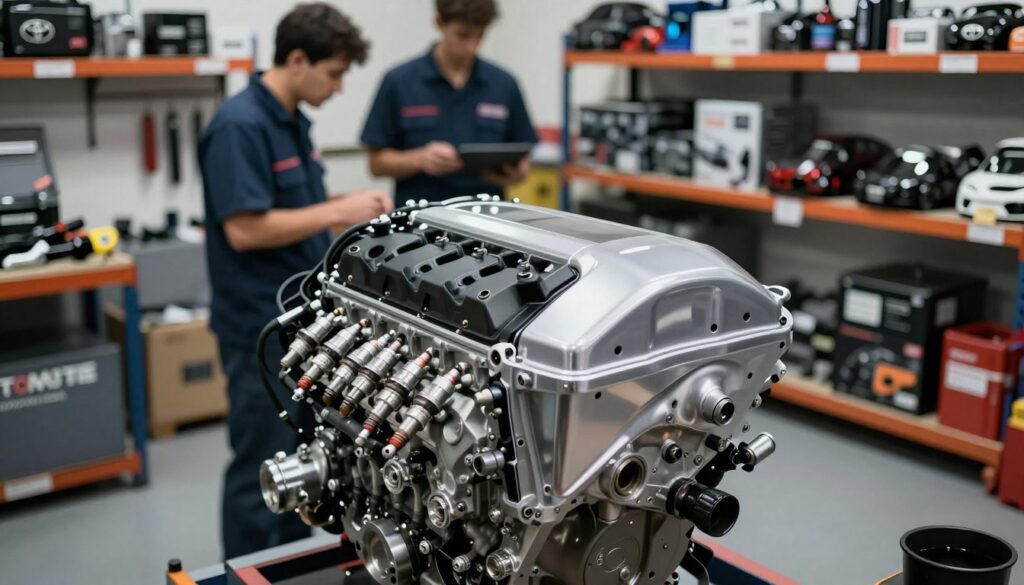
Many car enthusiasts want to make their vehicles more exciting. They look to modify their cars for a more thrilling drive. But, it’s important to know your Toyota engine specs well before making changes.
Aftermarket Modifications for Better Performance
Some start with high-flow air intakes or cat-back exhaust systems. These parts help the engine breathe better, making it more powerful. By doing this, you change how your car feels on the road.
ECU tuning is another way to boost performance. It adjusts fuel and ignition settings. But, choose trusted brands to avoid harming your engine.
Understanding Warranty Implications of Modifications
Not all car changes are okay with the maker. Parts that affect the engine can void your warranty. Always talk to your local dealer before making big changes.
Professional installation can help avoid problems. Certified shops know how to upgrade your car safely. Keep records of your upgrades for future talks with service advisors.
Performance Technologies in Toyota Vehicles
The magic of a modern Toyota is in its hidden electronic systems. These systems manage performance, ensuring power delivery is smooth. Toyota has improved Toyota handling characteristics by combining advanced software with mechanical parts.
Dynamic Torque Vectoring
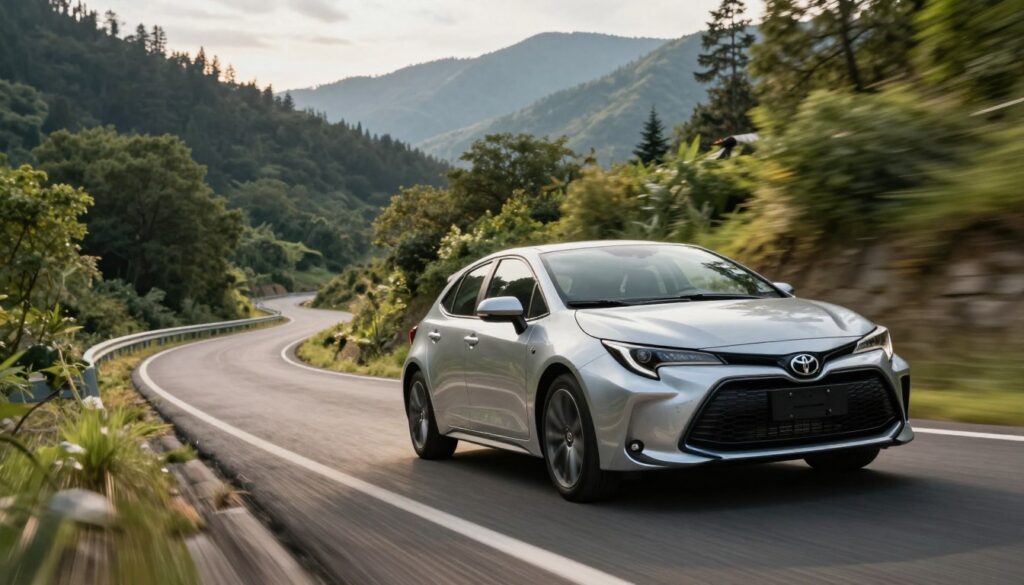
Dynamic Torque Vectoring changes the game for drivers who want precision. It controls torque to each rear wheel, improving cornering grip. This keeps the vehicle stable, even during sharp turns.
This tech does more than just help with corners. It makes driving better overall. When I test these cars, I see how it reduces understeer, making the car more responsive. It’s key for Toyota top speed details and safe speed on the road.
Adaptive Suspension Systems
Adaptive suspension boosts comfort and control by monitoring road conditions. It adjusts damping forces quickly to handle bumps and body roll. This keeps the chassis steady, whether turning tight corners or driving on the highway.
These systems are vital for consistent Toyota handling characteristics on any terrain. They reduce vertical movement, helping tires stay in contact with the road. This gives a luxurious yet athletic ride.
Advanced Safety and Performance Features
Safety and performance are now combined in car engineering. Toyota uses stability control and traction management to handle high-output engines. These features let drivers push their limits safely.
Looking at Toyota top speed details, these electronic aids make high performance possible. They prevent wheel spin and keep the car stable. The table below shows how these technologies enhance the driving experience.
| Technology | Primary Benefit | Performance Impact |
|---|---|---|
| Dynamic Torque Vectoring | Cornering Precision | Enhanced Agility |
| Adaptive Suspension | Ride Comfort | Reduced Body Roll |
| Stability Control | Safety | Predictable Handling |
Conclusion: Choosing the Right Toyota Model for Performance
Finding the right car means knowing what you need and want. Think about how you drive and what you want from your car. Toyota has many options, from fuel-efficient hybrids to powerful sports cars.
Prioritizing Your Needs
Think about how you drive most of the time. If you’re stuck in traffic a lot, look for cars that save fuel and are comfy. For those who love driving on open roads, cars with more power and better suspension are best.
Choosing a car that fits your driving style will make you happy for a long time.
The Path Toward Future Innovation
Toyota is always improving, mixing green tech with top-notch engineering. They’re working hard to make cars better with electric tech and smarter engines. This means future Toyotas will be even more exciting and reliable.
Choosing Toyota means you’re part of a tradition of excellence in cars.
FAQ
How can I best understand the various Toyota performance specs available for US models?
To grasp Toyota performance specs, see them as a way to talk about a car’s power. They help me compare models like the Camry and RAV4. This ensures the car meets my driving needs and expectations.
What is the difference between horsepower and torque in Toyota engine specs?
When I look at Toyota engine specs, I see horsepower as the engine’s power at high speeds. Torque is the force that helps the car start moving. Both are key for a good driving experience.
How do Toyota acceleration numbers compare across the current lineup?
Toyota’s acceleration varies by the car’s purpose. The Supra is fast, while the Prius is efficient. My guide helps find the right speed for your commute.
Where can I find reliable Toyota fuel efficiency data?
For accurate Toyota fuel efficiency, check the official EPA estimates. They show how much fuel you’ll use, helping balance power and cost.
What defines the Toyota handling characteristics for SUVs like the RAV4?
Toyota’s handling in SUVs like the RAV4 comes from suspension and electronic aids. Features like Dynamic Torque Vectoring All-Wheel Drive improve control and stability.
Does the Toyota Supra offer competitive top speed details?
Yes, the Toyota Supra’s top speed is competitive in sports cars. Its engine and design allow for high speeds, showing Toyota’s commitment to performance.
How do Toyota hybrids differ in performance compared to traditional gasoline models?
Toyota hybrids combine electric and gasoline power for unique performance. They offer impressive torque and better fuel efficiency, making acceleration smoother and quieter.
Can I modify my vehicle to improve Toyota performance specs?
Many owners modify their Toyotas for better performance. But, be aware that this can void the warranty. Always consult certified technicians before making changes.
How does Toyota performance compare to brands like Honda or Ford?
Toyota focuses on reliability and efficiency. While Ford and Honda might emphasize different aspects, Toyota delivers dependable performance and fuel efficiency across its US models.

Hi! I’m Moheen Iftikhar, the creator of «CarPulseMedia» I’m passionate about exploring the latest car trends, automotive technology, and driving tips to help you stay informed and inspired. I share expert guides, car reviews, and practical advice for every auto enthusiast.


